Water, Sanitation and Hygiene (WASH) Program
Access to safe drinking water, adequate sanitation, and proper hygiene practices remains a significant challenge in many communities worldwide. Millions of people, particularly in underserved and rural areas, lack reliable water sources, functional sanitation facilities, and critical knowledge about hygiene practices. This situation contributes to the spread of waterborne diseases, poor health outcomes, malnutrition, and high child mortality rates. Women and girls often bear the burden of fetching water, limiting their time for education, work, and other productive activities. Inadequate sanitation and menstrual hygiene management further impact dignity, safety, and school attendance for girls, perpetuating cycles of inequality and limiting opportunities for development.
Beyond immediate health risks, insufficient water and sanitation infrastructure reduces productivity, increases healthcare costs, and constrains community resilience. Communities without proper facilities face challenges in waste management, food safety, and the prevention of infectious diseases. These barriers also undermine broader development goals, including education, gender equity, and economic growth, as healthy, hydrated, and hygienic populations are essential for sustainable community advancement.
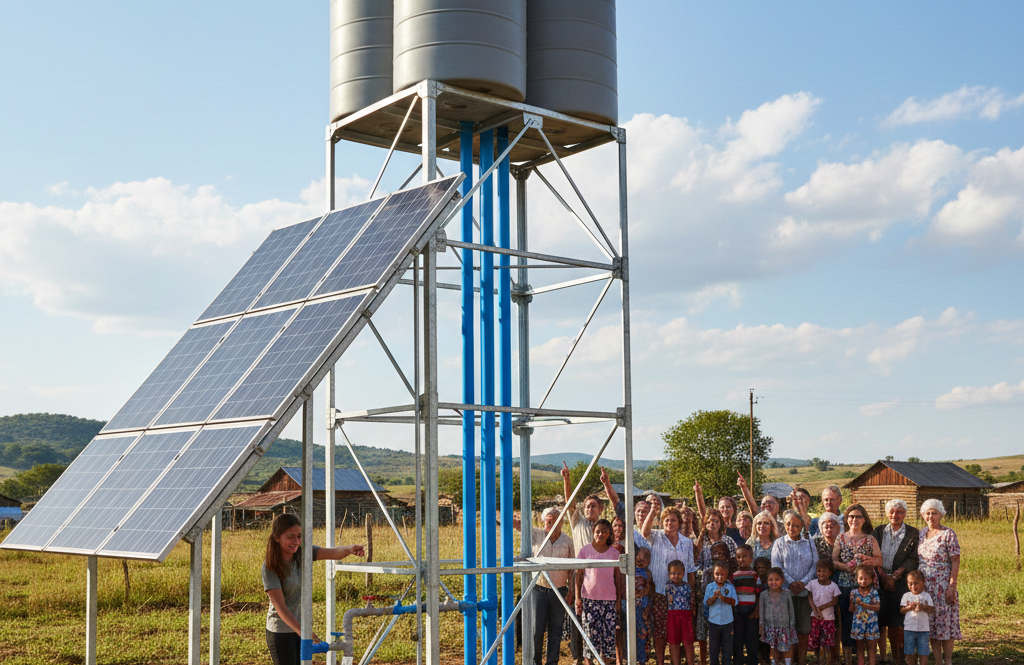
PASDO’s Water, Sanitation and Hygiene (WASH) Program addresses these challenges through a comprehensive, community-focused approach. The program provides access to safe and reliable water through initiatives such as the construction and equipping of solar-powered boreholes, wells, and community water points. To improve sanitation, PASDO supports the building of functional toilets, latrines, and handwashing stations in homes, schools, and public spaces. These interventions help reduce exposure to waterborne diseases, improve environmental conditions, and enhance the overall quality of life for community residents.
In addition to infrastructure, the WASH Program emphasizes hygiene education and behavior change. PASDO conducts community outreaches and training sessions to teach proper hygiene practices, safe water handling, and disease prevention. The program also provides menstrual hygiene support, including the purchase and distribution of period kits and menstrual pads for young girls who may lack access to these essential items. By combining education with infrastructure development, PASDO ensures that communities not only have access to water and sanitation facilities but also understand how to use and maintain them effectively.
Implemented in communities where needs assessments identify water, sanitation, and hygiene as critical priorities, the WASH Program is designed to be responsive to local conditions, partnerships, and resources.
Due to limited staffing as a result of the COVID-19 pandemic, we are not able to concurrently run some programs and have therefore temporarily suspended them (and removed them here). They include the Information, Leadership and Skill literacy (ILS) Project , the Sustainable Aquaculture Supply in West and Central Africa (SASWeCA) Project, the Learn Chinese Project (LCP) and others. We’d appreciate responding to service inquires on them only after they are restored.